
Choosing a medical university in another country is a significant decision for students and their…

Europe offers Indian students several pathways to pursue medical education, with admission requirements varying by country, university, and programme. Before applying, students should understand the eligibility criteria, application procedures, tuition fees, language requirements, and documentation needed for their preferred destination. Comparing these factors helps families identify suitable options and prepare for the admission process.
Choosing MBBS in Europe requires more than selecting a university based on fees or reputation. Students must also verify the institution’s legal status, course structure, clinical training arrangements, and eligibility requirements for medical registration in India after graduation.
1. Direct University Admission
Direct admission involves applying to a medical university through its official application process. This route allows students to review the university’s requirements and submit their applications directly.
The typical process includes:
- Researching medical universities and available programmes
- Checking academic eligibility and subject requirements
- Completing the university’s application form
- Submitting academic transcripts, identification documents, and other requested records
- Receiving an admission decision and following the university’s enrolment instructions
For students planning MBBS in Europe, applying directly helps them understand each university’s admission criteria, documentation requirements, and application deadlines.
Some universities may assess academic performance, conduct interviews, or request additional entrance assessments. Requirements differ between institutions, so students should confirm the current criteria before applying.
2. Admission Through an Education Consultancy
Students and parents may also seek assistance from an education consultancy to understand university options and manage application procedures. This route can be helpful for families who need guidance with documentation, deadlines, visa applications, and pre-departure preparation.
For students exploring MBBS in Europe, consultancy support may include university comparisons, application assistance, document preparation, visa guidance, and post-arrival coordination.
Before choosing a consultancy, ask which services are included in its fees, whether additional charges apply, and how university information is verified. Students should retain copies of application documents, official admission letters, payment receipts, and written service agreements. A consultancy can assist with the process, but it cannot guarantee admission, visa approval, or future medical registration.
3. Country-Specific Admission Routes
Europe is not a single admission system. Each country has its own education framework, and universities may set different entry conditions for international students.
Depending on the destination and programme, admission may involve:
- Academic-based selection: Assessment of Class 12 marks and required science subjects.
- Entrance examinations: Some institutions require an entrance test or other assessment.
- Interview-based selection: Certain universities may evaluate applicants through an interview.
- Preparatory programmes: Some institutions offer foundation or preparatory routes, subject to their admission policies and applicable regulations.
Students exploring MBBS in Europe should not assume that every European university offers direct admission or follows identical eligibility criteria. Verify the exact requirements with the university before paying an application fee or accepting an offer.
4. What Are the Eligibility Requirements?
Eligibility depends on the selected university and country. Indian applicants generally need to review their Class 12 qualifications, science subjects, minimum marks, and any additional academic conditions specified by the institution.
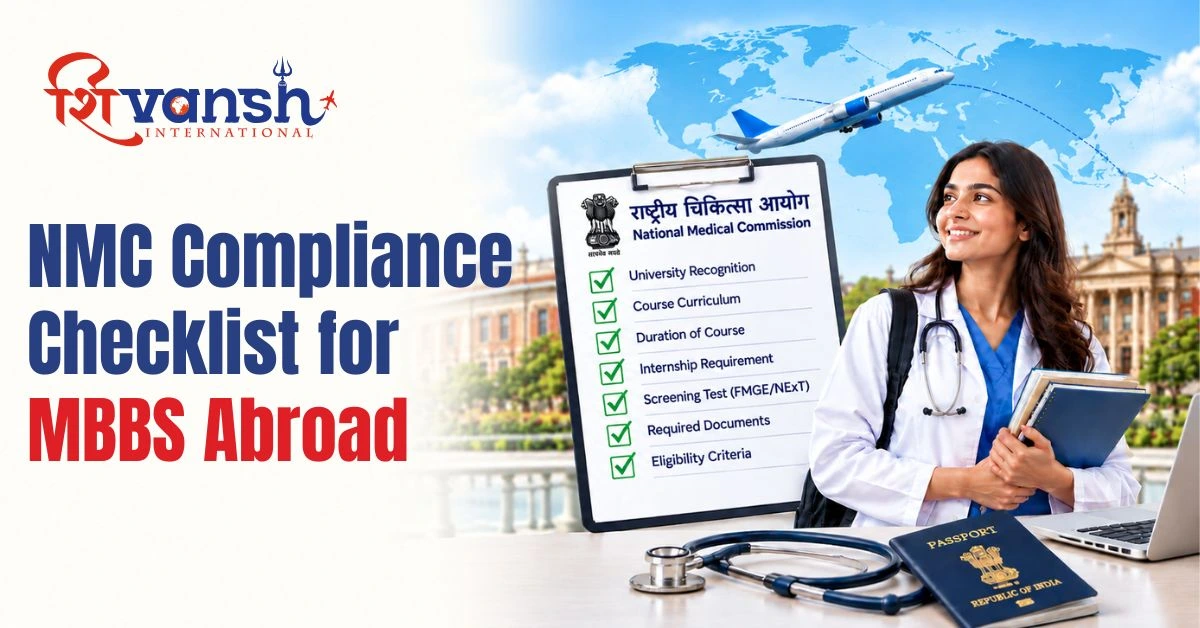
Students planning MBBS in Europe who intend to practise medicine in India after graduation should also check the applicable National Medical Commission (NMC) requirements before enrolling. NEET qualification is an important consideration for Indian students seeking to preserve their pathway to medical registration in India; applicants should confirm the current rules and requirements through official sources.
University admission eligibility and eligibility for medical registration in India are separate matters. Meeting one does not automatically establish the other.
Planning your medical education in Europe? Contact Us to discuss your requirements and explore suitable admission options.
5. Documents Required for Admission
Although requirements vary, universities may request the following documents:
- Class 10 and Class 12 mark sheets or certificates
- Valid passport
- Passport-sized photographs
- Completed application form
- Proof of English proficiency, if required
- Medical fitness records, where applicable
- Additional declarations or supporting documents requested by the university
Students should confirm whether documents need certified translations, notarisation, apostilles, or other authentication. A Student Visa application may require a separate set of documents, including financial evidence, accommodation details, and an official admission letter. Preparing these documents in advance can help students avoid delays during the application process.
6. How to Choose the Right Admission Route
Before applying, compare universities using academic, financial, and practical considerations rather than relying solely on promotional claims.
| Factor | What to verify |
| Recognition | Legal status and relevant regulatory information |
| Eligibility | Academic marks, subjects, and entrance requirements |
| Course structure | Duration, teaching language, clinical training, and internship |
| Total cost | Tuition, accommodation, insurance, travel, and other fees |
| Future registration | Applicable NMC and destination-country requirements |
| Student support | Accommodation guidance, visa assistance, and local support |
A careful comparison helps students understand the commitments involved and choose a programme aligned with their academic background, budget, and career plans.
How Shivansh International Can Help
Shivansh International supports students with medical university selection, application procedures, documentation, visa guidance, and post-arrival assistance. For students planning MBBS in Europe, families can discuss their preferred destinations, academic qualifications, budget, and career objectives to explore suitable university options and understand the admission process.
Frequently Asked Questions
What are the main admission routes for Indian students in Europe?
Students may apply directly to universities, seek support from an education consultancy, or follow country-specific selection procedures involving academic assessments, entrance examinations, or interviews.
Can Indian students get direct admission to medical universities in Europe?
Some universities consider applications based on academic qualifications, while others require additional assessments. Students must check the current admission requirements of each institution.
Is NEET required for MBBS in Europe?
Indian students planning to pursue medical education abroad and practise in India should verify the applicable NEET and NMC requirements through official sources before enrolling.
What documents are generally needed for admission?
Common documents include Class 10 and 12 records, a valid passport, photographs, application forms, and any additional documents required by the university or visa authority.
How can students verify a European medical university?
Students should check the institution’s legal status with the relevant national authority, review its programme details, and confirm applicable medical registration requirements in India before paying fees.
Conclusion
Indian students can explore different admission routes to pursue medical education in Europe, but the right option depends on university requirements, academic eligibility, finances, and future career plans. Before choosing MBBS in Europe, families should verify official information, prepare documents carefully, and understand applicable medical registration requirements. These steps help students make informed decisions and select an education pathway that aligns with their academic goals and long-term medical career plans.
Explore Leading MBBS Abroad Consultancy
Related Posts