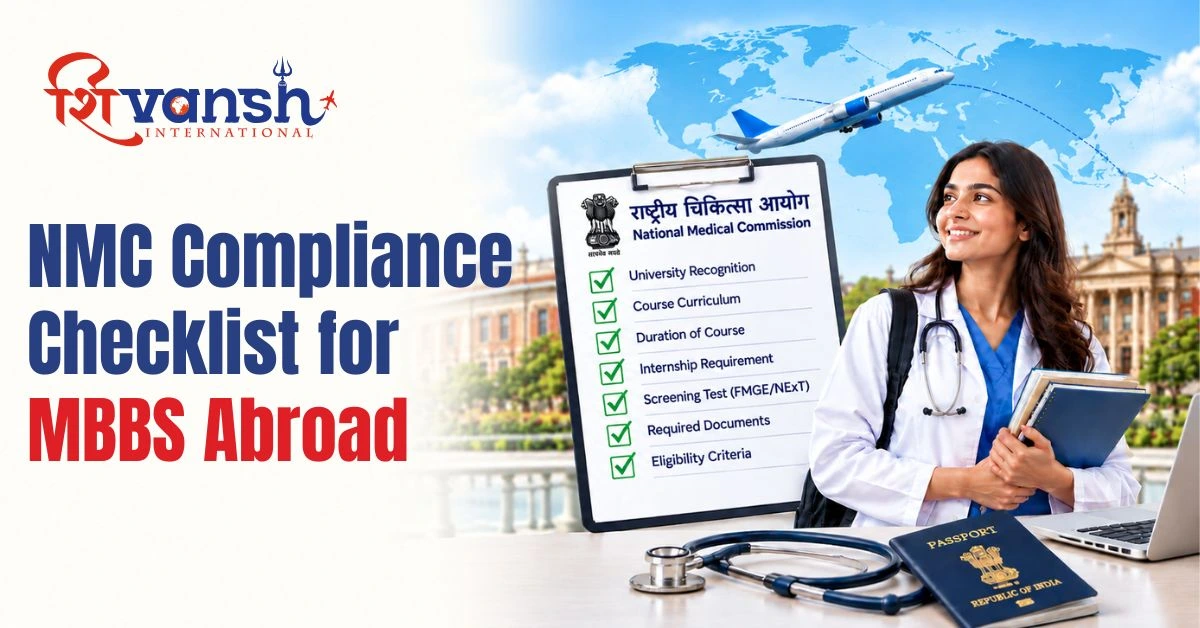

Europe offers Indian students several pathways to pursue medical education, with admission requirements varying by…
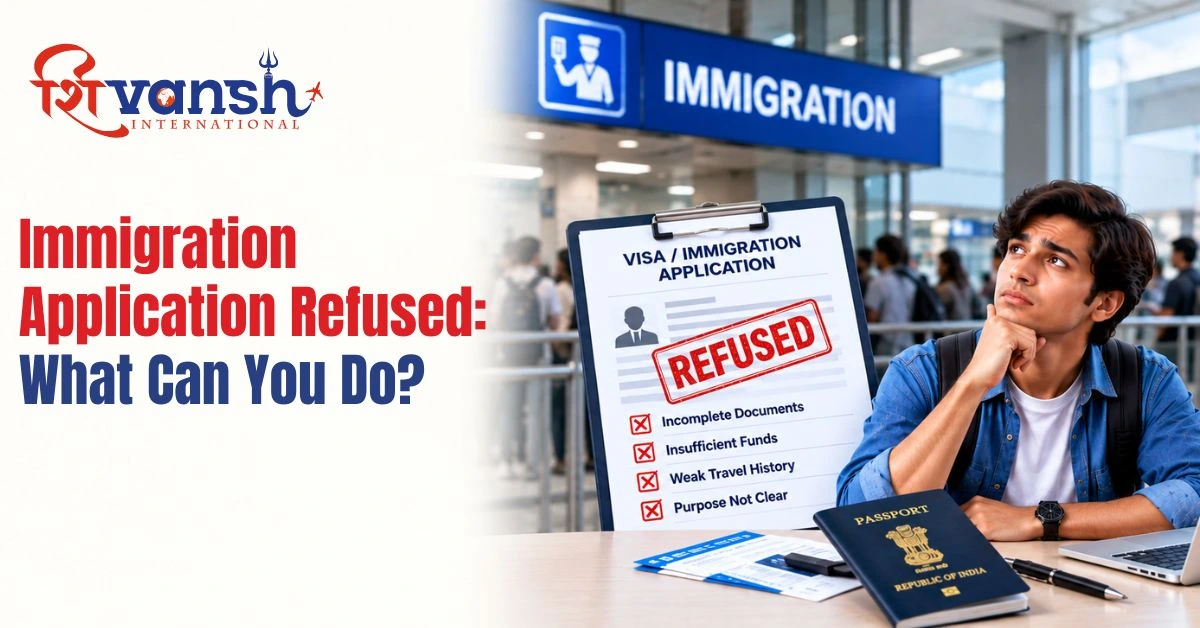
Receiving an immigration refusal can be disappointing, especially after investing time, money, and effort in preparing an application. However, a refusal does not always mean the end of your immigration plans. The next steps depend on the country, visa category, reasons for refusal, and options available under the applicable immigration rules.
If your immigration application refusal notice has arrived, start by reviewing the decision carefully instead of immediately submitting another application. Understanding the reasons behind the refusal can help you identify errors, gather stronger supporting documents, and determine the most appropriate way forward.
1. Read the Refusal Letter Carefully
The refusal letter is the starting point for understanding what went wrong. Immigration authorities generally explain the decision and may identify the requirements that were not satisfied.
Check the letter for:
- The specific reasons for refusal
- Missing or inconsistent information
- Insufficient financial or supporting evidence
- Concerns about eligibility or application details
- Deadlines and available review or appeal options
If your Immigration Application Refusal notice has arrived, keep a copy of the refusal letter and all documents submitted with your original application. Understanding the decision helps you address the actual concerns rather than repeating the same mistakes.
2. Understand Your Available Options
Your next step depends on the immigration rules of the country where you applied. Some applicants may be able to request an administrative review, appeal the decision, or submit a fresh application. Other cases may have limited options or strict deadlines.
Before deciding, ask:
- Is an appeal or review permitted for this type of refusal?
- What is the deadline for taking action?
- Can additional evidence be submitted?
- Would a fresh application be more appropriate?
- Are there restrictions on reapplying?
Do not assume that every refusal can be appealed. Check the official immigration authority’s guidance or seek qualified professional advice before choosing a route.
3. Correct the Problems in Your Application
Submitting the same documents again without addressing the refusal reasons may lead to another unsuccessful outcome. Applicants should identify what needs to change before preparing a new application.
Depending on the case, improvements may include:
- Providing clearer financial evidence
- Correcting inaccurate or inconsistent information
- Submitting missing documents
- Explaining the purpose of travel or intended stay more clearly
- Providing additional evidence of eligibility
- Ensuring that documents meet the relevant authority’s requirements
For applicants dealing with an immigration application refusal, every correction should directly address the concerns raised in the decision letter. Documents must be accurate, genuine, and consistent with the information already provided.
4. Check Financial and Supporting Documents
Financial evidence and supporting documentation can be important in many immigration applications. Requirements vary by visa category, but applicants may need to demonstrate that they meet specific financial, employment, sponsorship, or accommodation conditions.
Review bank statements, income records, sponsorship documents, employment letters, invitation letters, and other relevant evidence. Check that names, dates, amounts, and other details are consistent across documents.
Avoid submitting unnecessary paperwork without a clear purpose. Instead, provide the evidence required to demonstrate that you meet the applicable conditions.
Need guidance after a refusal? Contact Us to discuss your situation and explore the available next steps.
5. Avoid Rushing into Another Application
A refusal can create pressure to reapply quickly, but submitting a new application without resolving the original concerns may waste additional time and money.
Before applying again, review the eligibility criteria, update relevant documents, and check whether your circumstances have changed. Make sure all answers are truthful and that previous refusals are disclosed whenever the application requires them.
If your immigration case involves complex eligibility questions, suspected misrepresentation, or an appeal deadline, consider consulting an appropriately qualified immigration professional to understand the available options and relevant procedures.
6. How Professional Guidance Can Help?
Immigration procedures can be difficult to navigate when applicants are unsure which documents are required or how to respond to a refusal. Professional guidance can help clarify the relevant requirements, organise supporting evidence, and identify potential next steps.
Shivansh International assists clients with immigration guidance and related application procedures. Applicants can discuss their circumstances, review their documentation, and understand the process relevant to their intended destination.
Frequently Asked Questions
Can I reapply after my immigration application is refused?
In many cases, reapplication may be possible, but it depends on the country, visa category, and applicable rules. Address the original refusal reasons before submitting another application.
Can I appeal an immigration refusal?
Some decisions allow an appeal or administrative review, while others do not. Check the refusal letter and official immigration guidance for your specific case and deadline.
How long should I wait before reapplying?
There is no universal waiting period. Some applicants may reapply once they have addressed the refusal reasons, while others may face specific restrictions or requirements.
Will a previous refusal affect future immigration applications?
A previous refusal may be considered in future applications. Answer questions about immigration history truthfully and provide any explanations or documents required by the relevant authority.
Should I seek professional help after a refusal?
Professional assistance may be useful when the refusal reasons are unclear, the case is complex, or an appeal deadline applies. Choose a qualified adviser familiar with the immigration rules relevant to your application.
Conclusion
An immigration application refusal can be stressful, but understanding the reasons behind the decision is an important first step. Review the refusal letter, check the available options and deadlines, and address any documentation or eligibility issues before proceeding. Careful preparation and accurate information can help you make a more informed decision about your next steps.
Explore Leading MBBS Abroad Consultancy
Related Posts